
The Loneliness Epidemic in Hawaii
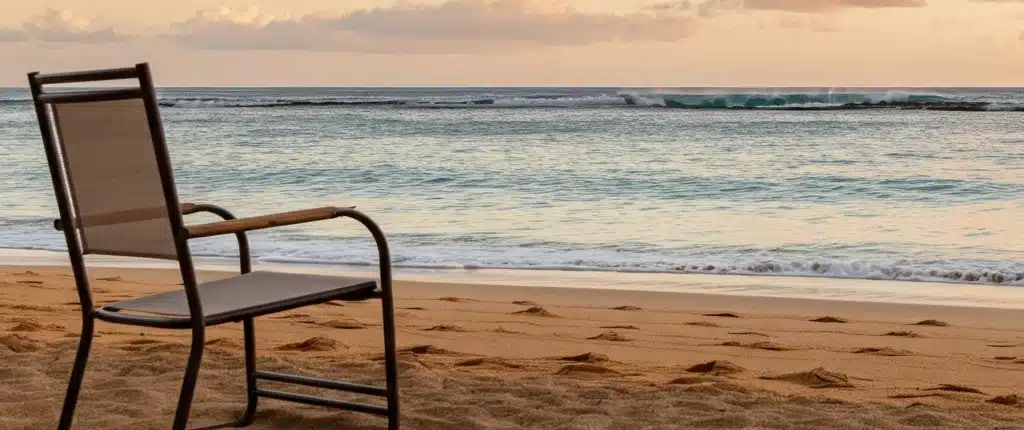
At times, living in the Hawaiian Islands feels like paradise, with breathtaking landscapes and a strong sense of community. Yet, beneath the surface, a growing number of residents are quietly struggling with feelings of isolation. Recent reports show that about half of the individuals in Hawaii feel lonely. This issue affects people from all walks of life, from young people navigating the digital world to seniors facing new challenges.
The high cost of living, demanding work schedules, and a shift away from traditional family structures all play a role in Hawaii’s loneliness epidemic. If you feel disconnected, know that you are not alone. Understanding the roots of this problem is the first step toward finding connection and support.
At Wellness Counseling Center in Honolulu, we provide a safe space to explore these feelings and build a path toward a more fulfilling life.
Hawaii’s Loneliness Problem: The Sobering Statistics
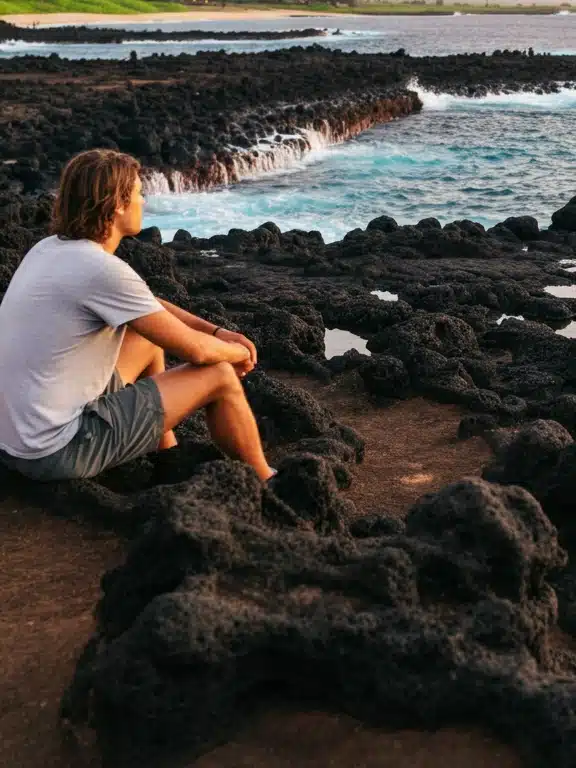 The idea of loneliness in a place known for its “aloha spirit” might seem contradictory. However, the data reveals a different story. A 2021 survey from the Hawaii Department of Health (DOH) found that a startling 61% of residents reported feeling lonely. A more recent 2025 report confirmed this trend, indicating that half of the population experiences loneliness.
These feelings are not just emotionally taxing; they have serious health consequences. The U.S. Surgeon General has linked social isolation to a higher risk of heart disease, stroke, dementia, and premature death. The DOH survey also highlighted a related mental health crisis, with 82% of residents reporting a mental health condition in late 2020. The pandemic intensified these existing issues, acting as a “magnifying glass” on fractures within families and communities.
The Erosion of ʻOhana
A significant factor contributing to loneliness in Hawaii is the decline of the traditional ʻohana. More than just an immediate family, ʻohana refers to a broader, deeply interconnected community of relatives, friends, and neighbors who share a sense of responsibility for one another. This cultural foundation has provided support and belonging for generations.
What is Happening to ʻOhana?
Today, the pressures of modern life are straining these connections. Financial stress is a major culprit. With Hawaii’s high cost of living, many people work multiple jobs or long hours, leaving little time or energy for community engagement. The shared struggles that once forged deep bonds are now often faced in isolation.
Mental health experts also point to a form of depression among Native Hawaiians rooted in a “sense of enormous personal loss.” This feeling comes from centuries of cultural change that has moved society away from traditional values and practices, including the communal nature of ʻohana. While the spirit of aloha endures, the practical application of ʻohana has become more difficult for many to maintain.
For those who move to the islands, the situation can be just as challenging. The geographic isolation and high cost of travel can weaken ties to family and friends back home. Building a new support network from scratch is a difficult but necessary task for newcomers hoping to feel a true sense of belonging.
The Silent Struggle of Kupuna
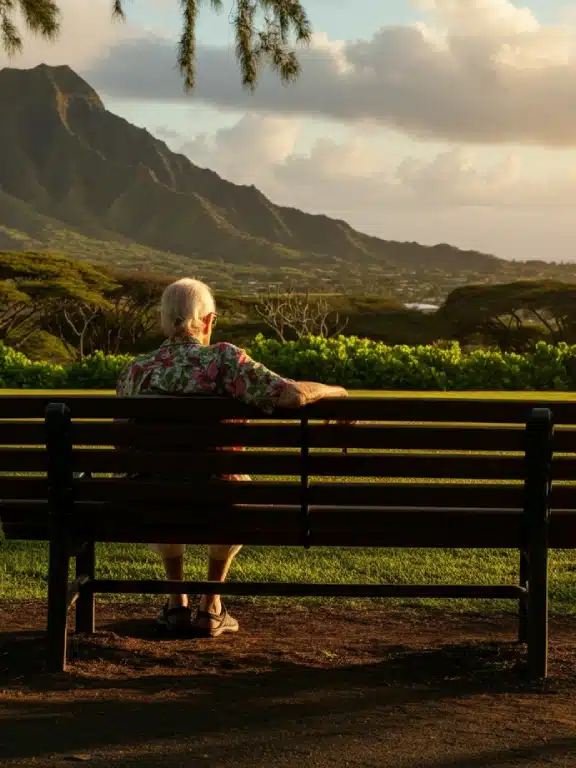 Our elders, or kupuna, are especially vulnerable to the impacts of social isolation. These respected members of our community face unique challenges that can lead to profound loneliness. For kupuna, isolation is not just an emotional state; it is a significant health risk, increasing their chances of serious conditions by up to 30%.
Why are Seniors So Vulnerable?
Several factors contribute to loneliness among older adults in Hawaii. Many live alone after the passing of a spouse or partner. Physical health issues or mobility limitations can make it difficult to leave the house and participate in social activities. As friends and family members move away or pass on, their social circles naturally shrink.
This isolation is directly linked to cognitive decline and mental health struggles. Without regular social interaction, the mind can lose its sharpness, and feelings of depression and anxiety can take hold. The decline of the multi-generational ʻohana household means many kupuna no longer have the built-in daily support system they once did. Rebuilding community connections is essential for their well-being, helping them stay engaged, valued, and healthy.
Social Media and the Disconnection of Youth
While kupuna face isolation due to shrinking networks, Hawaii’s teenagers are experiencing a different kind of disconnection, often despite being constantly connected online. The rise of social media has created a paradox: a world with endless opportunities for communication that often leads to superficial relationships and increased loneliness.
A “Perfect Storm” for Teen Mental Health
Research highlights the negative effects of heavy social media use on youth. It is linked to higher rates of anxiety, depression, and loneliness. The constant exposure to curated, unrealistic portrayals of others’ lives can damage self-esteem and create feelings of inadequacy. This is especially true during the teenage years, when peer relationships become central to a young person’s identity.
The pandemic pushed social interactions online, creating what some experts call a “perfect storm.” The natural developmental shift toward peers, combined with academic pressure and the isolation of lockdowns, left many teens feeling lost. Important face-to-face interactions, where true connection and social skills are built, were replaced by screen time.
Furthermore, excessive screen time, especially at night, disrupts sleep patterns by interfering with melatonin production. This sleep disruption can worsen mental health symptoms, creating a difficult cycle of anxiety, poor sleep, and more screen time. Cyberbullying and exposure to harmful content are other serious risks that make the digital world a challenging landscape for young people to navigate.
Finding Your Way Back to Connection
Overcoming feelings of loneliness can seem like a difficult journey, but it’s one you don’t have to take by yourself. The first step is acknowledging these feelings and understanding that it’s okay to need help. Rebuilding connections takes time and effort, but it is possible.
Here are a few ways to start:

- Start Small: Reach out to one person you trust, whether it’s a family member, a friend, or a coworker. A simple text or phone call can make a significant difference.
- Explore Local Groups: Look for clubs or groups centered around your hobbies and interests. Whether it’s a hiking group, a book club, or a volunteer organization, shared activities are a great way to meet like-minded people.
- Limit Social Media: Try to be more mindful of your social media use. Set limits on your screen time and make an effort to schedule face-to-face interactions with friends.
- Seek Professional Support: Sometimes, the weight of loneliness is too heavy to carry alone. Talking to a therapist can provide you with the tools and support you need to navigate these feelings and develop strategies for building healthier connections.
Taking the first step can be hard, but it is a powerful move toward a happier, more connected life.
Take the First Step Today
If you are struggling with loneliness, anxiety, depression, island fever, or other mental health concerns, our Honolulu therapists are here to help. The compassionate team at Wellness Counseling Center is ready to support you on your journey to wellness.
Contact us today to schedule your appointment and discover how we can help you live your life well.